Approach
Designing systems behind sustainable impact
Nonprofit sustainability is rarely about a single issue. It’s a design challenge — shaped by how leadership, governance, finances, and strategy work together as a system.
Understanding the system isn't the destination. It's what allows leaders to make disciplined decisions about priorities, tradeoffs, and where to focus finite resources for the greatest long-term impact.
When those elements fall out of alignment, organizations compensate through effort. Over time, that strain shows up as financial fragility, unclear decision-making, or leadership fatigue — often before the signs are obvious.
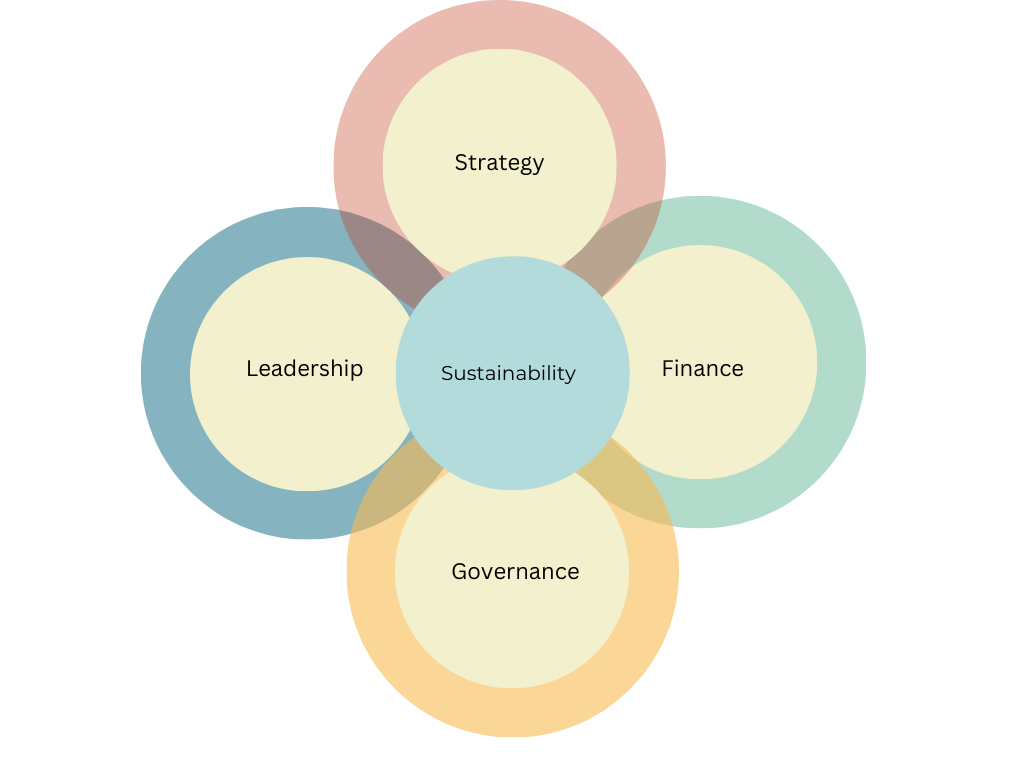
Most challenges are not isolated problems to fix. They are signals from systems that have evolved through growth, funding patterns, leadership transitions, and well-intended decisions.
A systems-level perspective
Sustainable impact emerges when
these elements are aligned.
Understand the system — diagnostic and financial insight
Clarify direction — strategy grounded in capacity and tradeoffs
Align for resilience — governance and leadership systems that endure
Not every engagement includes all stages. Discernment is part of the work.
How the work unfolds
I partner with boards, CEOs, and executive teams as a thought partner — grounding recommendations in reality and working with a small number of organizations to ensure depth, trust, and follow-through.
How I work
This approach is most useful when the question extends beyond a single function or deliverable, financial sustainability is part of the conversation, and leaders and boards have the space to make deliberate choices about what must evolve.
When this approach works best
Organizations rarely leave with just a plan. They leave with stronger decision-making.
Greater clarity about where to focus finite resources.
Increased confidence navigating difficult tradeoffs.
Leadership teams aligned around shared priorities.
Board conversations focused on stewardship and the future.
Strategy, governance, finances, and operations working together rather than competing for attention.
Organizations designed for resilience rather than constant reaction.
What changes